
What’s Changed in 2026-2027 for Florida Hunters
FWC updates hunting rules every year, and the past two seasons brought some of the bigger changes in recent memory. Here’s what’s different heading into the 2026-27 season:
- Bear hunting is back. Florida held its first regulated black bear season since 2015 in December 2025, through a permit-only lottery in designated zones. See the Bear section below for details.
- Nonresident licensing got stricter. As of the 2026-27 season, nonresidents generally need Florida’s nonresident annual hunting license to take game or furbearers at all. Short-term licensing no longer covers most hunting, including turkey.
- Nonresident turkey hunting has new limits. Nonresidents are capped at 10% of spring turkey quota permits statewide and cannot hunt the first 9 days of the zonal spring season at five specific WMAs.
- The youth turkey hunt is longer. It’s now a 4-day, Friday-through-Monday hunt, up from the old 2-day weekend format.
- More antlerless deer days outside WMAs. Zones B, C, and D gained additional antlerless deer season dates on private land, and Deer Management Unit D2 now allows 3 antlerless deer instead of 2 within the 5-deer annual limit.
- Quota permit rules changed. Hunters can now apply for a preference point during Phase I, but returning a permit only restores the points you had before, with no bonus point. Returning a Phase I permit also blocks you from reapplying for that same hunt during Phase IV reissues.
- New public land opened. Several new wildlife management and small-game hunting areas have opened across the state over the past two seasons, including Deep Creek, Dinner Island Ranch-Caracara Unit, and Rice Creek, plus Catlett, Creek Ranch, and Lochloosa Slough.
- New trapping rules are coming. Florida’s first major update to trapping regulations since the 1970s takes effect December 31, 2026. This mainly affects furbearer trappers; details are at MyFWC.com/Trapping.
Getting any of these wrong, especially as a nonresident or a first-time bear hunter, can mean a citation even when it wasn’t intentional. If you’re unsure how a new rule applies to your situation, call Sando Law, P.A. at 561-296-1665 for a free case review, available 24/7.
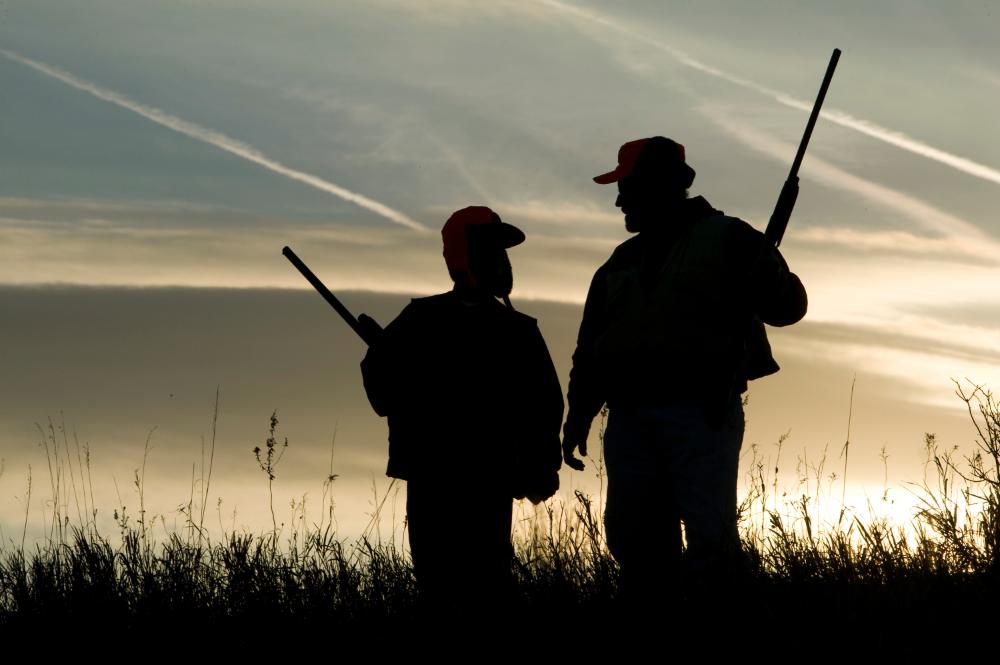
Florida is a hunter’s paradise, with over 6 million acres of public land, year-round wild hog hunting, and the return of a regulated black bear season in 2025. Florida Fish and Wildlife Conservation Commission (FWC) rules change often, and several major updates took effect for the 2025-26 and 2026-27 seasons. This guide covers what you need to know to hunt legally in Florida: licenses and permits, season dates, bag limits, safety requirements, and the land use rules that trip up newcomers most.
Getting Your Florida Hunting License and Permits
Who Needs a License
Anyone age 16 or older, resident or not, must have a Florida hunting license to hunt wildlife. Youths under 16 can hunt under adult supervision without a permit.
License Types:
- Resident Annual License: $17 (covers general game but not deer, turkey, or waterfowl permits)
- Non-Resident Annual License: $151.50 (nonresidents generally need this license to take game or furbearers in Florida at all, starting with the 2026-27 season. A separate short-term nonresident hunting license is no longer listed in the current fee schedule, so plan on the annual license rather than a temporary one.)
- Youth License (8-15): Optional, $17 (not required, but allows solo hunting at 16)
- 5-Year and Lifetime Licenses: Available for residents, fees vary by age
Required Add-Ons (Permits):
- Deer Permit: $5 (residents)
- Turkey Permit: $10 (residents), $125 (non-residents, nonresident annual hunting license required to purchase)
- Waterfowl Permit: $5 plus $29 federal Duck Stamp
- Archery / Muzzleloader Permits: $5 each
- Management Area Permit (WMA): $26.50 (required for hunting public lands)
- Alligator Permit: Lottery-based, several hundred dollars if selected
License Exemptions:
- Florida Residents: Under 16, over 65, or active-duty military on leave (30 days or less)
- Hunting Own Property: Residents hunting their homestead (or a spouse’s or child’s) in-county don’t need a license, but must follow seasons and bag limits.
- Disabled Residents: Can apply for a free disability hunting/fishing license
Proof Required: Always carry ID or documentation showing your exemption (age, military orders, etc.).
Hunter Safety Course:
If born on or after June 1, 1975, you must complete a hunter safety course before purchasing a license. The course covers safety, ethics, and regulations, and can be taken online with a required field day.
Apprentice License Option:
Florida offers a one-year exemption for new hunters who want to try hunting under supervision before completing the safety course. It’s a one-time option.
Florida Hunting Seasons, Zones, and Bag Limits
Florida’s hunting calendar is complex due to its four-zone system. Each zone has unique season dates based on local geography and deer rut timing. Understanding your zone is critical for staying compliant.
Florida’s Hunting Zones
- Zone A (South Florida): Earliest start, archery opens in August.
- Zone B (Central peninsula): Latest seasons, general gun runs into February.
- Zone C (Central/north Florida): Archery in September, general gun season runs into January.
- Zone D (Panhandle): Archery in October, general gun runs through February.
Each zone has specific dates for archery, crossbow, muzzleloader, and general gun seasons. Always consult the latest FWC season charts for your location.
Major Species Seasons
Deer Season:
- Archery: Earliest start; antlerless deer allowed in archery only on most private land.
- Muzzleloader: Short 1-2 week season after archery.
- General Gun: Main season; dates vary by zone.
- Youth Weekend: One weekend per zone before general gun season; allows mentored hunting, often with either-sex harvest.
- Antlerless Deer Days: Zones B, C, and D have more antlerless deer season dates on private land than before, including added archery, crossbow, and muzzleloading gun opportunities in some zones. In Deer Management Unit D2, hunters may take 3 antlerless deer as part of the 5-deer annual limit, up from 2. These changes don’t apply on wildlife management areas, so confirm your zone’s current dates before hunting.
Antler Point Regulations may apply (some zones require a buck to have 3 points on one side or a minimum beam length).
Turkey Season:
- Fall: Limited zones and dates.
- Spring: Gobbler-only season, begins early March in the south and mid-March elsewhere, ends in April.
- On WMAs, turkey hunting often ends at 1 p.m.
- No hunting near feeders with visible bait (100-yard rule applies).
- Youth Turkey Hunt: A statewide youth season now runs 4 days, Friday through Monday, just before the regular spring season opens in each zone. That’s up from the previous 2-day, weekend-only format.
- Nonresident Restrictions: Nonresident turkey hunters must buy the nonresident annual hunting license; a short-term license no longer qualifies. Nonresidents are also capped at 10% of spring turkey quota permits statewide and cannot hunt the first 9 days of the zonal spring season at Big Cypress (non-quota units), J.W. Corbett, Three Lakes, Herky Huffman/Bull Creek, and Jumper Creek.
Small Game (e.g., squirrel, rabbit, quail):
- Seasons typically run from October to March.
- Daily bag limits: 12 of each species.
Waterfowl & Migratory Birds:
- Federal frameworks apply.
- Dove: Split into three phases from September to January.
- Duck: Opens in late November and ends in January.
- Teal season is in September.
- Requires state permit, HIP registration, and federal Duck Stamp.
Alligator:
- Mid-August to early November by permit only.
- Limited-entry lottery required.
Wild Hogs:
- Private Land: No license, season, or bag limit required. Year-round hunting is allowed.
- Public Land: Only during designated WMA seasons and with appropriate permits.
Bear:
- Florida brought back a regulated black bear season in December 2025, the state’s first since 2015.
- The season is permit-only. FWC issues a limited number of tags through a random lottery, and each permit allows the harvest of one bear within an assigned Bear Harvest Zone.
- Hunting takes place on private land outside the WMA system, within four Bear Harvest Zones (North, East Panhandle, Central, and South).
- Dogs aren’t allowed for the hunt itself yet. FWC approved training with dogs starting in 2026, with full dog hunting allowed beginning in 2027.
- A private landowner permit program for tracts of 5,000 or more contiguous acres is set to begin with the 2026 season.
- Season dates and permit numbers can change from year to year as FWC reviews population data, so confirm current rules at MyFWC.com/Bear before applying.
Bag Limits (Statewide)
Deer:
- Annual limit: 5 total (max 2 antlerless, except in Deer Management Unit D2, where up to 3 of the 5 may be antlerless).
- Daily limit: 2.
- Possession limit: 4.
- Local WMA rules may impose stricter limits.
Turkey:
- 2 gobblers per spring season (1/day).
- Up to 2 allowed in the fall.
- Max of 4 per year (2 spring, 2 fall).
Small Game:
- Squirrel, rabbit, quail: 12/day.
- Possession limits typically double the daily limit.
- Dove: 15/day under federal rules.
- Ducks: Varies by species; consult waterfowl regulations.
- Hogs (Private Land): Unlimited.
- Hogs (WMAs): May be limited by area rules.
WMA regulations override statewide rules, so always check the brochure for the area you’re hunting. Some WMAs allow only 1 to 2 deer per season, even if the state limit is 5.
Legal Methods of Take and Safety Rules
Having the proper license and hunting at the right time is essential, but you must also follow Florida’s strict rules on weapons, baiting, dog use, and safety gear.
Legal Weapons and Equipment
Firearms:
- Rifles, shotguns, muzzleloaders, and guns are legal for game.
- No caliber restrictions, but .243 or larger is standard for deer.
- Muzzleloaders: .30 caliber or larger (single bullet) or 20-gauge or larger for buckshot.
Air Guns:
- PCP air rifles: Legal for deer (.30 caliber or larger) and turkey (.20 caliber or larger).
- Airbows are treated like crossbows and allowed during crossbow and muzzleloading seasons, and on a growing number of WMAs during the archery/muzzleloading season.
Archery Equipment:
- Longbows, recurves, and compounds are legal.
- Broadheads must be 7/8 inch or wider with two sharpened edges.
- Crossbows are allowed during crossbow and general seasons (not archery-only unless exempted).
Shotguns:
- Common for turkey and waterfowl.
- Migratory bird shotguns must be limited to 3 shells.
- Slugs or buckshot may be used for deer in some areas.
Handguns:
- Legal during the general gun season. Popular calibers: .44 Mag, 10mm, and similar.
Prohibited:
- Fully automatic firearms.
- Centerfire rifles/pistols for migratory birds (shotguns only).
Dogs in Hunting
Allowed:
- Dogs may be used for deer, small game, and waterfowl.
- Must wear a collar with owner info.
- “Deer Dog Registration” is required for private land use.
Restrictions:
- No dogs during archery or muzzleloader deer seasons (except trailing wounded game).
- No dogs are allowed for turkey hunting.
- Written landowner permission is required for dogs on private land.
- Dogs aren’t currently allowed for bear hunting (training begins in 2026, full dog hunting from 2027).
Baiting and Feeders
Private Land:
- Legal to hunt near feeders if feed has been present for 6 months or more.
- Not allowed for turkeys; feeders must be 100 yards away with no feed present for 10 or more days.
Public Land (WMAs):
- No baiting allowed.
- Some CWD zones restrict all feeding year-round.
Hunter Orange Requirement
Required on public land during deer gun season:
- Minimum 500 sq. inches of blaze orange on the upper body and head.
- Not required on private land or during archery-only or turkey season.
- Consider wearing orange when moving, even during spring turkey hunts.
Shooting Hours
- General Game: 30 minutes before sunrise to 30 minutes after sunset.
- Waterfowl: Until official sunset only.
- Wild Hogs on Private Land: Legal at night.
- Public Land: No night hunting unless specified.
General Safety & Conduct
- No shooting from roads, vehicles, or vessels.
- Spotlighting is illegal (except for hogs on private land, with caution).
- Do not hunt protected species (e.g., panthers; bears outside an approved bear permit).
- No alcohol while hunting; it can lead to criminal charges.
- ATVs/UTVs are allowed on private land and some WMAs (check rules).
- Use tree stands safely (harness recommended).
- Do not trespass. Armed trespass is a felony, punishable by up to 5 years in prison.
Hunting on Public vs. Private Land in Florida
Florida offers over 6 million acres of public hunting land, but the rules differ significantly from those on private property. Understanding these differences can keep you legal and improve your chances of a successful hunt.
Public Land (Wildlife Management Areas, or WMAs)
- Permit Required: You must have a valid Management Area Permit to hunt on any WMA.
- New Public Areas: Florida has opened several new wildlife management and small-game hunting areas over the past two seasons, including Deep Creek, Dinner Island Ranch-Caracara Unit, and Rice Creek, plus Catlett, Creek Ranch, and Lochloosa Slough. Check MyFWC.com/WMAbrochures for the brochure on any new area before you hunt it.
- Quota Hunts: Many WMAs require you to apply for quota permits in advance, especially for high-demand hunts like deer and turkey.
- Quota Process Changes: Hunters can now bank a preference point starting with Phase I applications. Returning a permit you already won no longer earns a bonus point on top of what you had, and returning a Phase I permit blocks you from reapplying for that same hunt during Phase IV reissues. Unused preference points now expire after 5 years of inactivity instead of 2.
- Crossbows and Airbows: These are now allowed during the archery/muzzleloading gun season on a growing number of WMAs, not just on private land. Check your specific WMA brochure to confirm.
- Special Hunts: Some WMAs offer limited-entry or special opportunity hunts (e.g., alligator, dove, youth hunts).
- Season Dates Differ: WMAs often have their own calendars that override statewide seasons. Always check the area-specific brochure.
- Check-In Requirements: Some areas require sign-in/out or check station use for harvested game.
- Primitive Conditions: Expect minimal amenities. Some areas require 4×4 vehicles, and access may be restricted to certain hours or days.
- Increased Pressure: Public land sees more hunters. Blaze orange is mandatory during deer gun seasons for safety.
Always read the WMA-specific brochure before hunting. It lists allowed species, bag limits, access rules, and more.
Private Land
- More Flexibility: No quota permits needed. You hunt during general statewide seasons.
- Year-Round Hog Hunting: No license or bag limit for wild hogs on private land.
- Baiting Allowed: Legal with the 6-month rule (not for turkeys).
- No Blaze Orange Required: Still recommended for safety, especially near property lines.
- Landowner Control: Permission is required to hunt land you don’t own. Always get it in writing.
- Legal Protections: Trespassing with a firearm is a felony in Florida.
Additional Access Options
- Walk-In Areas & Private Land Leases: Some private lands are open to public hunting through special FWC programs, often via lottery or guided access.
- Youth Hunt Program: Certain ranches host supervised youth-only hunts in partnership with FWC.
Example Comparison
- Private Land: You can bowhunt deer from a tree stand in September, set up a feeder (if maintained year-round), or hunt hogs in July, with no check-in required.
- WMA: You may need a quota permit, can’t use feeders, must follow tighter access rules, and often have to check game at a station.
Always know property boundaries, especially if tracking wounded game. Never cross fences without permission. Respecting landowner rights maintains access and avoids legal trouble.
Up next: We’ll cover what happens after a successful hunt, including how to log and report your harvest in Florida.
Harvest Reporting and Tagging Requirements
In Florida, harvesting big game like deer or turkey comes with mandatory reporting rules. Logging your harvest helps the FWC monitor wildlife populations and enforce bag limits.
What Must Be Reported
- Required: All deer and wild turkey must be logged and reported within 24 hours of harvest. Bears taken under a regulated bear permit must be checked in following the process listed on that permit; see MyFWC.com/Bear for current requirements.
- Not Required: No reporting for wild hogs, small game, or migratory birds.
Step-by-Step: How to Report a Harvest
- Log It Immediately:
Before moving the animal from the harvest site, write it down on a harvest log, either the paper version from the handbook or digitally in the Fish|Hunt Florida app. - Report Within 24 Hours (or sooner if processing):
Use one of three methods:- Fish|Hunt Florida App (quickest and easiest)
- GoOutdoorsFlorida.com
- Phone: 1-888-HUNT-FLORIDA
- Get a Confirmation Number:
You’ll receive a unique number after reporting; write this on your log or keep it tied to the carcass. - Before Butchering or Leaving the State:
Reporting must be done before dropping off at a processor/taxidermist or transporting out of Florida.
Special Cases
- WMAs with Check Stations:
If the WMA requires a check station visit, you must still complete the statewide harvest report. - Processors and Taxidermists:
Label your animal/meat with your name, address, and confirmation number. Some businesses have their own log systems, but they must still be traceable to you.
Evidence of Sex
Florida doesn’t use physical tags, but you must retain evidence of sex:
- Deer: Keep the head (with antlers if a buck) attached until you reach home/camp.
- Turkey: Keep the head and beard attached during transport.
Alligator Reporting
Harvested alligators must be tagged immediately with an official FWC-issued tag. Alligator reports follow a separate process through your permit documentation.
Why It Matters
Accurate harvest data supports sustainable wildlife management. Violations can result in fines and lost hunting privileges. Reporting is also your legal proof of compliance in case FWC officers check you.
Quick Note on Felons & Firearms:
Convicted felons cannot legally use modern firearms for hunting in Florida. However, they may use bows, crossbows, muzzleloaders, or certain airguns.
CWD (Chronic Wasting Disease):
Florida has confirmed Chronic Wasting Disease in white-tailed deer. You may not bring whole deer carcasses or high-risk parts into Florida, or out of a CWD management zone, without following specific guidelines. Always debone and clean meat and skulls when transporting, and check MyFWC.com/CWD for current management zone boundaries.
Carcass Disposal:
Do not dump deer remains roadside or on public land; it’s illegal and contributes to disease spread. Bury remains or leave them in the field, out of sight.
Hunt Smart, Stay Legal, Enjoy Florida
Florida offers incredible hunting, from early-season deer in the south to spring turkey, year-round wild hogs, and now a regulated bear season. But success starts with knowing the rules.
We’ve covered the essentials:
- Licenses and permits you need (and who’s exempt)
- Zone-specific season dates and bag limits
- Legal hunting methods and required safety practices
- Key differences between public and private land
- How and when to report your harvest
Stay informed
FWC updates rules yearly, and the past two seasons brought real changes. Always check the latest handbook or FWC website before hunting. When in doubt, ask. It’s better to double-check than risk a violation.
Why it matters:
Following the rules protects your hunting privileges and supports conservation. Your license fees and reports help manage healthy wildlife populations for generations to come.
So before you go:
- Get licensed
- Know your zone and dates
- Check for rule updates each season
- Wear orange (if required)
- Hunt ethically
- Report your harvest
- Respect landowners
Enjoy Florida’s wild places. As FWC puts it, hunters who take a kid hunting today help create a conservationist for life.
Run Into Legal Trouble?
Florida hunting violation lawyer: Sando Law, P.A. defends clients statewide in hunting violations and all FWC and fish and wildlife matters.
Call now for a free case review: 561-296-1665 (available 24/7).
FAQs – Florida Hunting Regulations
What’s New in Florida Hunting Law for 2026-27?
Florida brought back a regulated black bear season for the first time since 2015, tightened licensing rules for nonresident hunters, expanded antlerless deer opportunities in Zones B, C, and D, extended the youth turkey hunt to 4 days, and opened several new public hunting areas. Quota permit application rules also changed. FWC updates its regulations every year, so always confirm current rules at MyFWC.com before you hunt.
Is Black Bear Hunting Legal in Florida Again?
Yes. Florida held its first regulated black bear season since 2015 in December 2025, through a permit-only lottery in designated zones outside the WMA system. Dogs aren’t allowed for the hunt itself yet (training starts in 2026, full dog hunting from 2027), and season dates and permit numbers can change from year to year. Check MyFWC.com/Bear for the current season’s requirements before applying.
What Can You Hunt in Florida?
You can typically hunt the following in Florida (with proper licenses and during open seasons):
- Game animals: White-tailed deer, wild hogs, turkey, and black bear (by permit)
- Small game: Squirrels, rabbits, raccoons, opossums
- Game birds: Dove, quail, ducks, geese, snipe, woodcock
- Other species: Certain invasive species, like iguanas and Burmese pythons (often with fewer restrictions)
Always check current FWC regulations before hunting, as seasons and rules change each year.
Do I need a license to hunt my land?
Florida residents may hunt their homestead (or that of a spouse or child) without a license, as long as it’s in their county of residence. However, you must still follow all seasons, bag limits, and federal rules (e.g., Duck Stamp for waterfowl). Non-residents always need a license.
What are the license requirements?
You must be 16 or older and, if born after June 1, 1975, must complete a hunter safety course. Buy licenses online, in person, or via app. Be sure to add species permits and WMA access if needed. Some groups (youth, seniors, military) may be exempt from fees but must carry a valid ID. Nonresidents should plan on the annual hunting license rather than a short-term option, since most hunting now requires it.
When is deer season, and how does it vary by zone?
- Zone A: Archery starts in August; general gun runs September through October, then late November through January.
- Zone B: Latest season; archery starts in October, general gun runs into February.
- Zone C: Archery in September, general gun runs November through January.
- Zone D: Archery in October, general gun runs from late November through February.
Each zone has specific archery, muzzleloader, and youth hunt dates. Always confirm for your area.
What’s the deer limit, and do I have to report them?
- Max 5 deer/year (no more than 2 antlerless, except in Deer Management Unit D2, where up to 3 of the 5 may be antlerless).
- Max 2 deer/day.
- Must log and report every deer within 24 hours.
Use the FWC app, website, or phone hotline. Reporting is mandatory statewide.
Can I hunt wild hogs year-round?
- Private land: Yes. No license, season, or bag limit is required (with landowner permission).
- Public land: Only during designated seasons and with proper permits. Some WMAs allow year-round hog hunting, but rules vary.

Sando Law, P.A. specializes in representing clients facing fish and wildlife violations and criminal charges.