
Fishing Without a License in Florida: Offense Details & Legal Options
An FWC stop for fishing without a license can seem minor at first, but it can still lead to county court, fines, and avoidable complications if you do not handle it correctly. In Florida, the general rule is straightforward: anglers need the required freshwater or saltwater license before fishing unless a specific exemption applies.
Many no-license fishing citations are handled as noncriminal violations rather than misdemeanor charges. However, that does not mean the case should be ignored. Failing to respond, misunderstanding an exemption, or fishing while privileges are suspended can raise the stakes quickly.
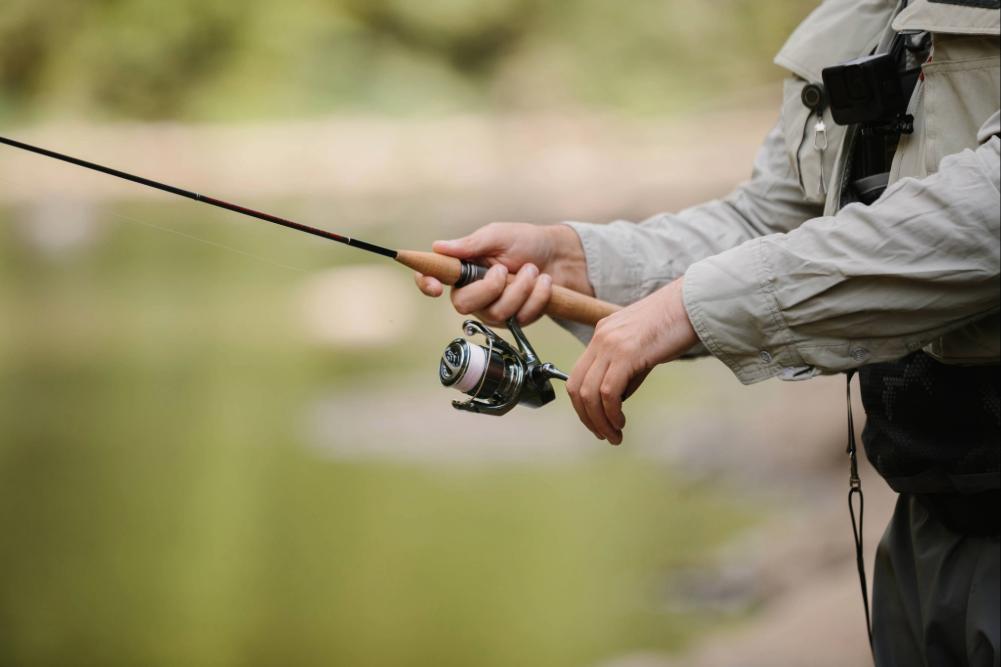
Florida law usually requires a fishing license before you fish
Florida law generally requires a person to obtain the proper recreational fishing license before taking or attempting to take freshwater or saltwater fish in the state, unless an exemption applies. FWC also makes clear that catch-and-release still counts. If you cast a line, the agency generally expects you to have the required license.
That rule applies to residents and visitors alike. Out-of-state fishing licenses are not valid in Florida, so tourists and seasonal visitors often receive citations after assuming their home-state license is enough.
The exemption list is real, but narrower than many people think
Some people are cited even though they believed they were exempt. Florida does recognize several exemptions, but they are specific and depend on the facts. A small misunderstanding about where you were fishing, what type of fishing you were doing, or whether the vessel or pier was properly licensed can make a major difference.
Common Florida fishing license exemptions include
- children under 16
- freshwater fishing on qualifying homestead property
- resident recreational fishing within your county of residence using live or natural bait and simple poles or lines without a retrieval mechanism
- freshwater fishing in certain qualifying private fish ponds
- saltwater fishing from certain properly licensed vessels, operators, or piers
- Florida residents age 65 or older with proof of age and residency
- certain disabled residents, qualifying service members, and other limited statutory categories
- free freshwater and saltwater fishing days announced by FWC
FWC citations often turn on small details
Fishing license cases are often more technical than they appear. The issue is not always whether the person was fishing. Sometimes the real dispute is whether the person qualified for an exemption, had a valid license but failed to carry proof, was fishing from a licensed pier or vessel, or was cited based on an incorrect assumption about the location or activity.
That is one reason it can be risky to treat every FWC citation like a routine ticket. Paying immediately may resolve the case, but it can also mean admitting the violation and waiving the right to a hearing.
A basic no-license citation is often noncriminal, but it still matters
A standard violation of Florida’s recreational fishing license requirement is often classified as a Level One violation. That means it is usually handled as a noncriminal infraction in county court rather than as a misdemeanor charge.
For many first-time license violations, the civil penalty is $50 plus the cost of the required license or permit. If the same Level One violation happened within the previous 36 months, the civil penalty generally rises to $250 plus the cost of the license or permit.
In many qualifying cases, the law also allows a person to buy the needed license, provide proof, and pay the applicable civil penalty. That can be an important option when the issue is simply that the person has not yet purchased the required license.
The county court can impose more than the standard ticket amount
If a person chooses to contest the citation and proceed to a hearing, the county court decides whether the violation was proved. After a hearing, the court may impose a civil penalty of at least $50 for a first-time violation and up to $500 for later violations. The state still has to prove the violation beyond a reasonable doubt.
The case can become criminal if the response goes wrong
Florida law allows a no-license fishing case to become a second-degree misdemeanor when a person refuses to accept the citation, fails to pay the civil penalty, or fails to appear in county court as required. A second-degree misdemeanor in Florida can carry up to 60 days in jail and up to a $500 fine.
The consequences are even more serious if a person fishes while the required license or fishing privilege is suspended or revoked. That conduct is treated as a Level Three violation. A Level Three conviction is a first-degree misdemeanor, which can carry up to 1 year in jail and up to a $1,000 fine. For fishing while suspended or revoked under section 379.354(17), Florida law also imposes a mandatory $1,000 fine and can block the person from reacquiring fishing privileges for 5 years.
Some fishing license cases can be fixed or improved early
The best legal option depends on why the citation was issued. In many cases, early action makes a real difference, especially when the facts show the person may have qualified for an exemption or had a valid license that was unavailable at the time of the stop.
Possible legal options may include
- showing that a statutory exemption applied
- proving that the angler had a valid license at the time but did not have proof in personal possession
- buying the required license promptly when the statute allows the violation to be cured in that way
- showing that the fishing took place from a properly licensed vessel, operator, or pier
- reviewing whether FWC cited the correct subsection
- challenging whether the facts actually support the citation
A later-produced valid license can matter
Florida law specifically protects some people who were cited only because they did not have their license on them. If the required license was valid at the time of the citation and is produced before or at the county court hearing, the person may not be convicted of that possession-based violation. The clerk or hearing officer may still assess a small cost.
How an attorney can help with an FWC fishing citation
An attorney can review the citation, the exact statute listed, the location of the stop, the fishing activity involved, and whether the officer correctly applied Florida’s licensing rules and exemptions. That review can help determine whether the case should be resolved quickly, contested in court, or addressed through proof of exemption or license compliance.
At Sando Law, P.A., FWC and fish-and-wildlife matters are a primary focus. Drew Sando is a former prosecutor who, according to the firm’s materials, has handled hundreds of cases and more than 50 trials and has received FWC-related Prosecutor of the Year recognition. That kind of focused background can matter when a case is more complex than it first appears.
FAQs
Do I need a Florida fishing license for catch-and-release?
Usually, yes. FWC states that a license is required to attempt to take fish, which includes casting a line for catch-and-release.
Can I use my out-of-state fishing license in Florida?
No. Florida does not honor out-of-state recreational fishing licenses.
Is fishing without a license in Florida a criminal offense?
A basic no-license case is often handled as a noncriminal Level One violation. It can become criminal if the person fails to respond properly, or if the person fishes while the required license or privilege is suspended or revoked.
Can buying a license after the ticket help?
Sometimes. In many qualifying cases, Florida law allows a person to purchase the needed license, provide proof, and pay the applicable civil penalty. That option does not apply in every situation.
What if I actually had a valid fishing license but did not have proof with me?
That may help significantly. For certain possession-based violations, Florida law allows a person to present a valid license before or at the county court hearing to avoid a conviction. However, a small administrative cost may still be assessed.

Sando Law, P.A. represents clients pre and post criminal charges, clients facing fish and wildlife violations, and clients in need of immigration counsel.